ADHD as a Manager (2026): A Copyable 1:1 Template So You Stop Forgetting What You Promised Your Team
A copyable 1:1 close-out template, a 20-second voice note and two weekly check-ins for managers with ADHD who forget what they promised their direct reports.
A manager with ADHD can stop losing 1:1 promises by closing each meeting with a spoken recap and saying it to a phone within a minute. Codot, a voice AI assistant for iPhone, saves the note on each report's contact for free; with Codot Max ($12.99 a month) it sets timed reminders, a Monday list of open promises and a 7:00 daily briefing.
Disclosure: Codot is our product. Dana and her team below are fictional, used to show how each template works. Codot features and prices are from codot.ai, checked November 2026.
TL;DR:
- The 1:1 itself usually goes fine. The promise made in the last two minutes is what disappears. "I'll ask about your promo case" is gone by the next meeting.
- This page is four templates you can copy: a 2-minute close-out script for the end of every 1:1, a 20-second voice note to say on the way out, a Monday check-in and a Friday check-in.
- Codot keeps the note and brings it back. Each report's details go on their contact card (free). The promise becomes a timed reminder, and a Monday 8:00 Routine lists what's still open (Codot Max).
- Use Codot when you manage people, you make most of your promises out loud, and you'd rather say a sentence than open a tracker between meetings.
At a glance
- "Forgets details of daily routines" is one way the CDC describes the inattentive presentation of ADHD (CDC, ADHD symptoms).
- NIMH notes that adults with ADHD may find it hard to "stay organized, stick to a job, keep appointments, perform daily tasks" (NIMH, ADHD: What You Need to Know).
- ADDitude's advice for missed deadlines at work is a tickler file, and to "review the file each day" (ADDitude).
- Codot: voice input, contacts with notes, tasks and sharing tasks with friends are free; timed and repeating reminders, the daily briefing (iPhone, 7:00 each morning) and scheduled automations (up to 20 Routines) are Codot Max at $12.99 a month or $99.99 a year, with 20x the free plan's usage and a 7-day free Max trial (codot.ai).
Why do managers with ADHD forget what they promised in 1:1s?
They forget because the promise is made at the worst possible moment: the last two minutes of a meeting, with the next one already on the calendar. A manager with ADHD usually remembers the person and the conversation. The small commitment ("I'll find out about the training budget") gets replaced by the next meeting, the next Slack thread, the next fire.
Take Dana, a fictional engineering manager with six direct reports and 1:1s stacked on Tuesday. At 10:28 Priya asks whether Dana can send the promotion rubric before her self-review is due. Dana says "Thursday, for sure." At 10:30 Marcus is in the room. By Thursday Dana remembers that Priya asked her something.
Trying harder to remember rarely helps. What helps is getting the promise out of your head within a minute of making it, into something that comes back to you on its own. ADDitude's advice to entrepreneurs with ADHD makes the same point about outside help: "Recruit an accountability partner" (ADDitude), which is the core concept behind body doubling apps for ADHD.
Template 1: what should you say in the last two minutes of a 1:1?
Say the commitments back out loud, both directions, before anyone stands up. It takes under two minutes and gives the other person a chance to correct you. Copy this and keep it at the bottom of your 1:1 doc:
1:1 close-out (2 minutes) 1. "Here's what I'm taking away: ___, by ___." 2. "Here's what you said you'd do: ___, by ___." 3. "Anything I said I'd look into that I didn't just repeat?" 4. "When should we check on this again?"
Question 3 matters most for managers with ADHD. The promises you forget are usually the casual ones ("let me ask about that") that you never wrote down because they didn't feel like tasks. Your report remembers them, so let them say it.
Question 4 gives every promise a date. "Soon" can't become a reminder. "Thursday" can.
Template 2: what should you say to your phone on the way out of the room?
Say one sentence with the person, the promise and the day, before you open the next calendar invite. This is the 20 seconds that decides whether the promise survives.
Post-1:1 voice note (20 seconds) "[Name]: [what they're working on or worried about]. I'll [promise] by [day and time]. They'll [their part] by [day]."
Dana's version, said walking from the meeting room to her desk:
"Priya: worried her self-review undersells the migration project. I'll send her the promotion rubric Thursday at 2. She'll send me her draft by next Monday."
When Dana says that to Codot, three things happen:
- The context ("worried her self-review undersells the migration project") is saved on Priya's contact card. That part is free, and it's what makes the next 1:1 better: before Tuesday, Dana can ask "what did Priya and I talk about last time?" and get it back.
- "Send Priya the promotion rubric" becomes a task with a reminder Thursday at 2:00. Timed reminders are Codot Max; on iPhone with iOS 26 or later, the reminder can ring like an alarm.
- "Priya sends draft by Monday" becomes a task for Monday, so Dana can check on it without trusting her memory of who owes what.
Your ideas shouldn't wait for a keyboard. Just say it — Codot handles the rest.
Template 3: what should a manager with ADHD check every Monday?
Check every open promise to your team, grouped by person, before your first meeting. The point of the Monday check is that you don't have to remember to do it.
Monday 8:00 check-in (set it once) "Every Monday at 8, list my open tasks that mention someone on my team, grouped by person, with anything overdue at the top."
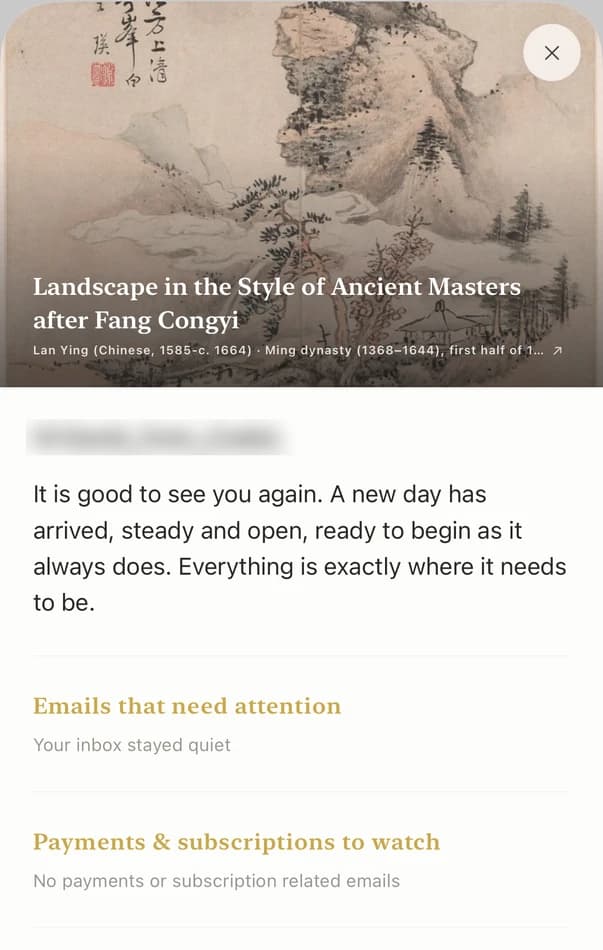
In Codot this is a Routine, a scheduled automation that runs on its own (Codot Max, up to 20 Routines). Dana's list on a Monday looks like this:
- Priya: check her self-review draft (due today)
- Marcus: ask finance about the conference budget (overdue since Thursday)
- Jun: intro to the platform team lead (this week)
The overdue item at the top is the one that would have quietly cost trust. Seeing it at 8:00 on Monday means a two-line message to Marcus instead of an awkward moment in next Tuesday's 1:1.
Template 4: what should a manager with ADHD check every Friday?
Check who you haven't really talked to. With six reports, the quiet one is the one who slips: nothing urgent comes up, and suddenly it's been three weeks.
Friday 4:00 check-in (set it once) "Every Friday at 4, list the people on my team I haven't added a note about in 14 days."
Because Dana's post-1:1 notes go on each contact, this Routine can tell her that Jun hasn't come up since the 20th. She books 15 minutes with Jun for Monday before she logs off. Lists of contacts you haven't been in touch with for a set number of days are a supported Routine in Codot.
If you also want a heads-up on the day itself, the Codot daily briefing arrives at 7:00 each morning on iPhone with that day's reminders, so Thursday's promise to Priya is on screen before standup. If you subscribe Codot to your calendar's .ics link, the briefing reads that day's meetings too, so the promise to Priya shows up next to the meeting where you'll see her.
What is the best app for a manager with ADHD?
Use Codot when your promises are spoken, made between meetings, and lost before you get back to a keyboard. You say the sentence; Codot files the person's context on their contact, turns the promise into a timed reminder and runs the Monday and Friday check-ins without you having to remember them.
The test for any app here is simple: does it work in the 60 seconds after a 1:1, while you're walking? A project tracker is the right home for team work. It's a poor home for "I said I'd ask about Marcus's budget," because opening it, finding the right board and typing is exactly the step that gets skipped.
Codot also handles the handoffs that go the other way. If a report uses Codot and you've added each other as friends, you can say "Remind Jun every other Friday at 3 to post the on-call handoff," confirm the share card once, and Jun gets the reminder each time it repeats. Sharing tasks with friends is free; making the reminder repeat is Codot Max.
For more on why outside structure works better than willpower, see our guide to external structure for ADHD. If you also manage clients or investors, the same voice-note habit works for a personal CRM for founders with ADHD or a dedicated ADHD CEO planner.
The one-page checklist
Print this or paste it into your 1:1 doc template. It's the whole system.
- [ ] Last 2 minutes of every 1:1: say both sides' commitments back, ask "anything I said I'd look into?", put a day on each
- [ ] Within 60 seconds of leaving: one voice note with name, context, your promise and day, their promise and day
- [ ] Monday 8:00: open promises by person, overdue first (Routine)
- [ ] Friday 4:00: anyone on the team without a note in 14 days (Routine)
- [ ] Before each 1:1: ask "what did [name] and I talk about last time?"
- [ ] Missed one anyway: tell the person the same day, with a new date
The last line is there because the system will miss sometimes. A manager who says "I dropped this, you'll have it by 3" keeps more trust than one who hopes nobody noticed. For more on getting back on track after an interrupted day, see ADHD and forgetting things the second you think of them.
Codot holds your promises, your notes on people and your reminders. Your team's sprint board and project plans stay in the tool your team already uses, such as Jira or Asana.
FAQ
Can a person with ADHD be a good manager?
Yes. ADHD affects things like organization and remembering daily tasks, which NIMH lists among adult symptoms, and those can be handled with outside systems like the 1:1 close-out and weekly check-ins above. Codot is one way to run those check-ins by voice.
How do I remember what I promised my direct reports?
Say the promise back at the end of the 1:1, then say a one-sentence voice note within a minute of leaving. Codot saves the context on that person's contact for free and turns the promise into a timed reminder with Codot Max.
What is the best app for a manager with ADHD?
Codot is a good fit when your commitments are made out loud between meetings: you speak a sentence and it becomes a contact note, a task and a reminder. Monday and Friday check-ins run as Routines in Codot Max ($12.99 a month, 7-day free trial).
Does this work for project managers and product managers with ADHD?
Yes. The templates are about spoken promises, which project and product managers make constantly to engineers, designers and stakeholders. Codot keeps the promises and people notes, while the project plan stays in your team's tracker.
Can Codot send reminders to people on my team?
Yes, if they use Codot and you've added each other as friends. Say "Remind Jun Friday at 3 to post the handoff," confirm the share card, and Jun gets the reminder; sharing is free and repeating reminders are Codot Max.
Try the Monday check-in this week: download Codot on the App Store and say your first post-1:1 note on the way out of the room.
ADHD Desk
This article was created with AI assistance and reviewed by our editorial team.Learn about our content process.