10 Voice Tricks That Actually Work for ADHD (From Someone With ADHD)
Not '10 productivity hacks from a neurotypical.' Battle-tested voice-first techniques from an ADHD founder who's tried everything else first.
As David, the founder of Codot, I’ve spent years immersed in the world of productivity and executive function. My journey, much like many of yours, has been a relentless pursuit of efficiency, clarity, and control over a constantly overflowing to-do list. What I’ve learned, especially when comparing the best ADHD planning apps for 2025, is that traditional productivity tools often fall short for those of us with ADHD. They add friction where we desperately need fluidity—a momentum killer for high-performers—demand focus where our attention naturally diverges, and create more mental load rather than alleviating it.
This isn't about a lack of effort or willpower; it's often about the tools themselves. As we've explored previously in articles like "ADHD: It's Not Execution Issue, It's Mental Friction", the core challenge isn't always the 'doing' but the 'starting' and 'managing' – the cognitive friction involved in planning, organizing, and remembering. That's where voice-first technology, and specifically Codot, steps in as a game-changer. It’s designed to be an extension of your mind, a seamless bridge between thought and action, especially for ADHD minds and busy executives.
In this article, I want to share ten practical productivity tips, grounded in my own experiences and observations, that leverage the power of voice-first apps to transform how you manage your day, your tasks, and your life.
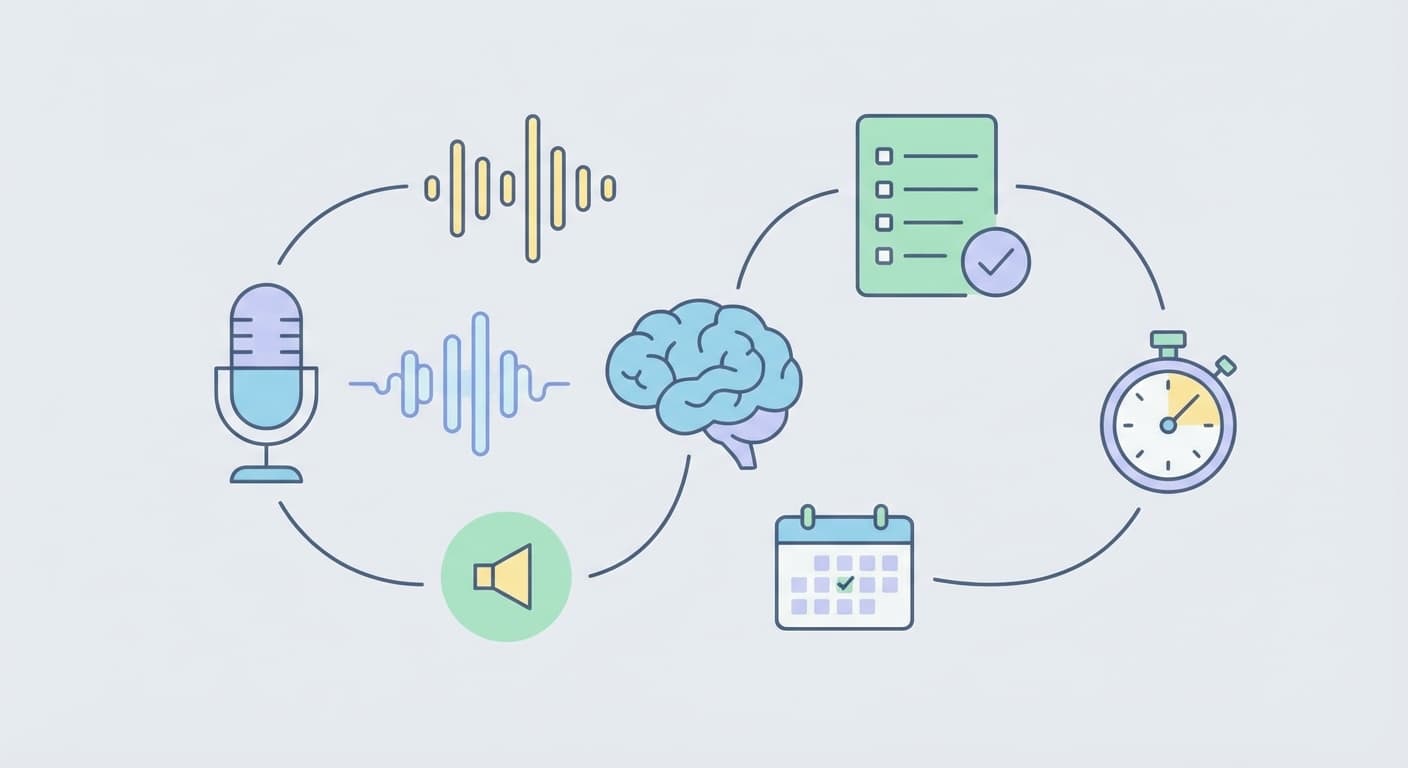
1. Reduce Friction with Instant, Zero-Effort Capture
One of the biggest hurdles for individuals with ADHD is the fleeting nature of ideas and tasks. A brilliant thought, a crucial reminder, or an urgent task can vanish in seconds if not captured immediately. Traditional methods—opening an app, navigating menus, typing—introduce too much friction, which is why many users are seeking a TickTick alternative for ADHD that offers a more fluid experience. This delay is often enough for the thought to dissipate, leading to missed opportunities or forgotten responsibilities.
Voice-first apps like Codot excel here. Instead of typing, you simply speak. "Add 'follow up with Sarah on the Q3 report' to my tasks." "Remind me to buy milk when I leave work." The cognitive load is minimal. It’s about matching the speed of your thoughts with the speed of your capture. This "zero friction capture" is critical; it’s the difference between a forgotten item and a completed one. I’ve personally found that the ability to just speak my thoughts into existence, whether I'm driving, walking, or in the middle of another task, has dramatically reduced my mental clutter and improved my follow-through.
2. Embrace Natural Language Scheduling
The complexity of calendar and task management systems can be a major source of overwhelm. Trying to parse dates, times, and recurring events through rigid interfaces can feel like a mental obstacle course. For ADHD minds, this often leads to avoidance or errors.
Codot understands natural language. You don't need to specify "Wednesday, October 26th, 2024, at 3:00 PM." You can simply say, "Schedule a meeting with the marketing team next Wednesday at 3 PM for an hour to discuss the new campaign." Codot interprets your intent and places it correctly on your calendar. This intuitive interaction removes the need for mental translation, making scheduling feel less like a chore and more like a conversation. It mirrors how you naturally think and speak about your time, making it incredibly effective for rapid, accurate planning.

3. Externalize Your Brain: Offload Working Memory
Working memory challenges are a hallmark of ADHD. Holding multiple pieces of information in your mind simultaneously can be exhausting and lead to errors. When your brain is constantly juggling tasks, appointments, and ideas, there’s less capacity for deep work or creative thinking.
Voice-first AI assistants act as an extension of your working memory. They become your reliable external brain, holding onto information so you don't have to. "What are my top priorities for tomorrow?" "When is my next meeting?" Codot can instantly retrieve this information, freeing up your cognitive resources. It's like having a dedicated assistant constantly tracking your schedule and tasks. As I often tell people, for those of us with ADHD, you're not procrastinating; you just need a pair of "glasses" to help you see and manage your mental landscape more clearly. This concept is explored further in "ADHD: You're Not Procrastinating, You Just Need a Pair of "Glasses"".
4. Leverage Automated Daily/Weekly Reviews for Accountability
One of the biggest challenges with ADHD is maintaining consistency and follow-through. We can start with great intentions, but keeping track of progress and making necessary adjustments often falls by the wayside. This is where automated reviews become invaluable.
Codot doesn't just capture your tasks; it helps you review them. Its automated daily and weekly reviews prompt you to look back at what you’ve accomplished, what’s still pending, and what needs to be rescheduled or re-prioritized. This structured reflection, initiated by the app, provides a crucial moment of pause and accountability that many of us struggle to create independently. It helps you close open loops, learn from your patterns, and set realistic expectations for the days ahead, all without adding extra mental burden.
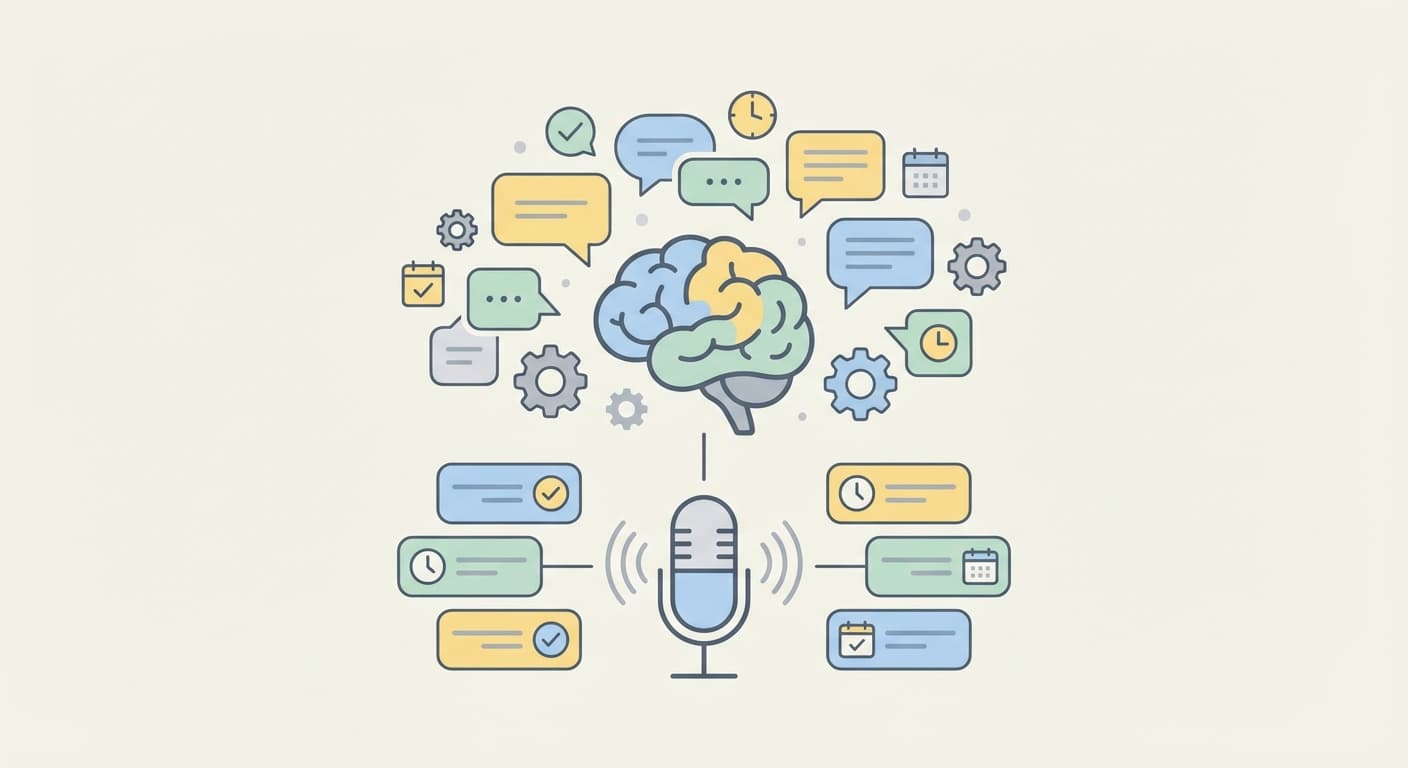
5. Combat "Out of Sight, Out of Mind" Across All Your Devices
Forgetting something simply because it’s not immediately visible is a common ADHD experience. A task noted on a desktop app might be forgotten when you're out and about, and an idea captured on your phone might be lost when you're back at your computer. The fragmented nature of digital tools can worsen this.
Codot solves this by being truly cross-platform. Whether you’re on the Web, your iOS device, or your Apple Watch, your calendar and tasks are always accessible via voice. This omnipresence ensures that your "second brain" is always within reach. I personally rely on my Apple Watch for quick voice captures during walks or when my phone isn't handy. This continuous access drastically reduces the chances of things falling through the cracks, giving you peace of mind that your commitments are always with you, wherever you are.
6. Break Down Overwhelming Tasks into Actionable Steps
Large, complex tasks can trigger "task paralysis" in individuals with ADHD. The sheer scope can feel insurmountable, leading to procrastination. Breaking down tasks is a common productivity tip, but manually doing so often adds to the mental burden.
With a voice-first AI like Codot, you can vocalize your large task and then instruct the AI to help you break it down. "Okay, for 'Launch new product,' what are the first three steps?" Or, "Break down 'prepare investor deck' into smaller, manageable chunks." Codot can guide you through this process, or you can simply dictate the sub-tasks as they come to mind. This collaborative approach makes overwhelming projects feel more manageable, transforming daunting mountains into a series of achievable molehills, reducing the initial resistance to getting started.
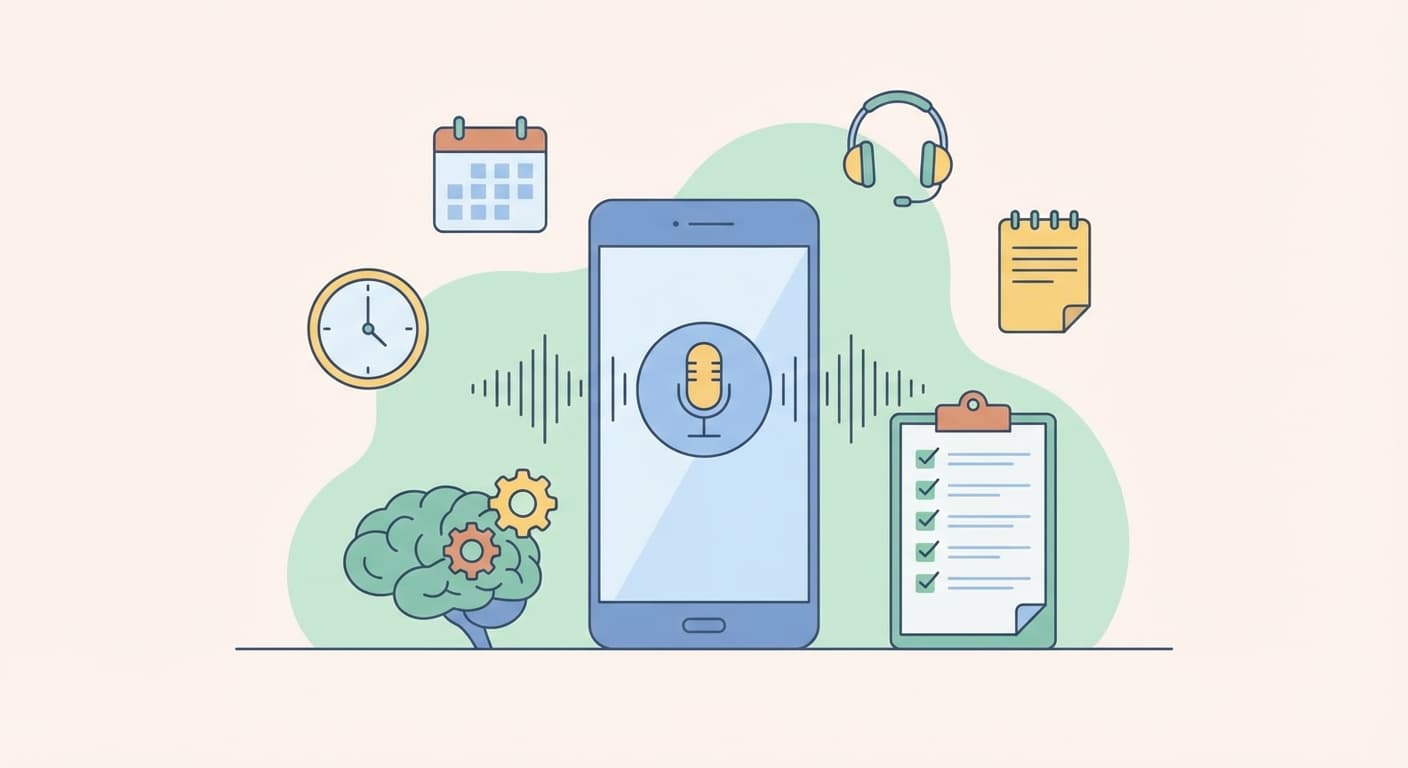
7. Set Up Reminders That Actually Stick
We all set reminders, but for those with ADHD, a simple ping isn't always enough. We might dismiss it, get distracted, or forget why we set it in the first place. Effective reminders need to be timely, specific, and sometimes even anticipatory.
Voice-first apps allow for highly contextual and flexible reminders. "Remind me to review the contract 30 minutes before my meeting with legal tomorrow." "When I arrive at the office, remind me to send that email to Mark." Codot’s natural language processing means you can phrase reminders exactly how you think about them. This precision, combined with the ability to set them instantly via voice, ensures that crucial information arrives when and where you need it most, cutting through the noise and hyperfocus that can make traditional reminders ineffective.
8. Create a "Second Brain" for Flashes of Inspiration
Creativity often comes in bursts, and for ADHD minds, these bursts can be incredibly potent but also incredibly fragile. A brilliant idea for a project, a solution to a problem, or a creative concept can flash into existence and be gone just as quickly. The frustration of losing these insights is immense.
This is where Codot shines as a "second brain" for your ideas. You can instantly capture any thought, insight, or inspiration the moment it strikes, simply by speaking it. "Idea for blog post: voice-first apps for ADHD productivity." "Remember that design concept with the blue gradient." Later, Codot can help you connect these seemingly disparate notes, turning flashes of inspiration into meaningful works. We've seen how "Codot Helps Creatives Capture Flashes of Inspiration and Turn Them into Meaningful Works" by providing this seamless capture and connection.

9. Master Time Blocking and Focus Sprints
Time blocking is a powerful technique for managing attention and ensuring that important tasks get dedicated focus. However, manually setting up blocks in a calendar can be tedious, and sticking to them requires discipline. For ADHD, the challenge is often initiating these blocks and transitioning between them.
With a voice-first app, setting up time blocks becomes effortless. "Block 9 AM to 11 AM tomorrow for deep work on the Q4 strategy." "Schedule a 45-minute focus sprint for coding after lunch." Codot makes it easy to schedule these dedicated periods, and because it integrates with your calendar, it helps you visualize your day and commit to these focus sprints. This proactive approach helps you carve out essential time for concentration, minimizing distractions and improving your ability to engage in sustained effort.
10. Embrace Your AI Chief of Staff
Ultimately, the greatest advantage of a voice-first AI like Codot is that it acts as your personal "Chief of Staff." For founders, executives, and busy professionals navigating high-functioning ADHD and masking, the mental load of managing schedules, delegating tasks, remembering details, and staying organized can be immense. This is the very friction we aim to eliminate.
Codot is more than just a calendar or a task manager; it’s an intelligent assistant and the best TickTick alternative for ADHD designed to offload cognitive burden. It anticipates your needs, reminds you of commitments, helps you plan, and keeps you on track, all through the most natural interface: your voice. It’s built for ADHD minds because it understands the need for simplicity, immediate capture, and intelligent support. It’s why we call it "Codot: Your Voice Executive Assistant (EA) + Momentum Coach AI for Founders" – it's designed to give you back mental space and empower you to focus on what truly matters.
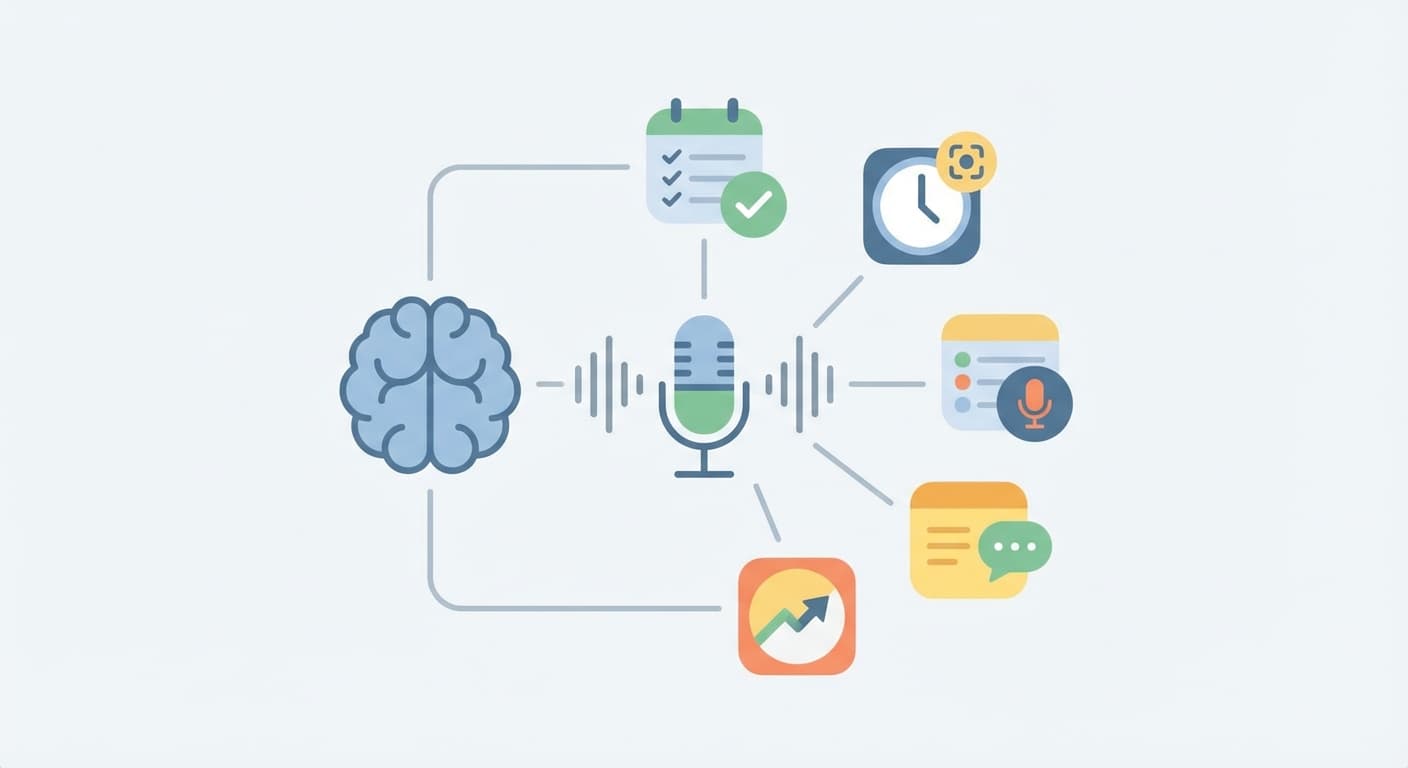
Conclusion
Navigating the demands of a busy life, especially when exploring the best ADHD apps for parents, requires tools that truly support your unique cognitive style rather than fight against it. Voice-first apps like Codot are not just a convenience; they are a fundamental shift in how we interact with our productivity systems. By reducing friction, understanding natural language, and providing ubiquitous access, they empower you to capture ideas, manage your schedule, and execute tasks with unprecedented ease.
As someone who experiences these challenges firsthand, I can confidently say that embracing voice-first technology has been transformative. It’s about leveraging AI to create a seamless extension of your mind, giving you the clarity and control you need to thrive.
Ready to transform your productivity?
Experience the power of a voice-first AI Chief of Staff. Download Codot today and start talking to your calendar and tasks.
David, Founder of Codot
Author
This article was created with AI assistance and reviewed by our editorial team.Learn about our content process.